LIPOSONLINE.COM- Remember when leaving the house without a leather wallet stuffed with cash, coins, and crinkled receipts felt like a recipe for disaster? Today, that bulky fold-up accessory is rapidly becoming obsolete, replaced by sleek digital architectures living quietly inside our smartphones. The global transition toward a cashless society is no longer a distant sci-fi projection; it is our active daily reality. Powered by rapid technological leaps, shifting consumer behaviors, and a universal desire for frictionless experiences, digital finance has fundamentally rewritten how we exchange value. As we look ahead, understanding the trajectory of cashless payments offers a fascinating glimpse into a hyper-connected global economy where money moves as fast as data. Baca Juga : What Is Open Banking? Benefits, Examples, and Challenges in 2026
The Global Surge of Digital Wallets
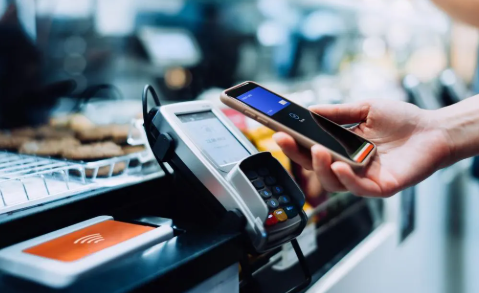
Physical currency is steadily stepping back as digital wallets take center stage across consumer markets. Recent global financial datasets indicate that digital wallet adoption has exploded, with over 5.2 billion users worldwide—representing nearly 55% of the global population. This massive wave of adoption highlights how deeply mobile-first transactions have embedded themselves into everyday commerce.
-
Ecommerce Dominance: Digital wallets currently capture roughly 53% of global online transaction volumes, leaving traditional credit cards and cash-on-delivery models far behind.
-
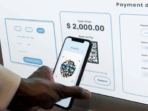
Ubiquity of QR Codes: Quick Response codes have revolutionized micro-transactions, accounting for over 380 billion transactions globally and driving financial inclusion across developing and developed markets alike.
-
The Gen Z Factor: Studies show that nearly 95% of Generation Z consumers actively prefer digital payments over physical cash, ensuring that the momentum toward a cashless future will only accelerate. Baca Juga : How 10 Years of Banking Tech Shifted Your Daily Finance
Emerging Technologies Reshaping Transactions
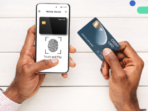
The mechanics of moving money are shifting away from physical plastic cards and entering the realm of ambient, intelligent technology. Innovation is happening at a breakneck speed, redefining what it means to pay for goods and services.