LIPOSONLINE.COM – Amidst the rapid digital transformation, biometric technology is becoming increasingly important in digital banking becomes very important.
The traditional method of securing accounts with a 6-digit PIN and password is no longer sufficient to address increasingly sophisticated cyber threats.
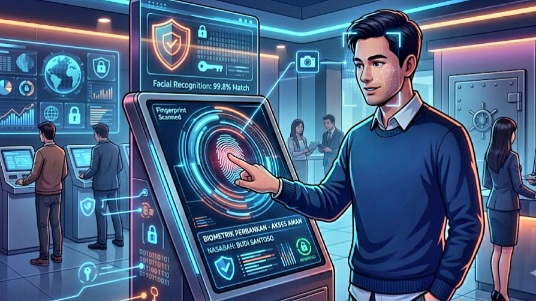
The answer lies in biometric technology. This authentication system leverages unique human physical and behavioral traits and has become the new standard across most digital banking and fintech applications.
From opening an online account to transferring hundreds of millions of rupiah, all it takes is a face or a fingerprint.
So how secure is this technology? What types are there, and where is it headed in the future?
Read Also :Top Banking Trends for 2027: What to Expect Next
In this article, LIPOSONLINE.COM presents an overview of Biometric Technology gathered from various sources.
What Is Biometric Technology and Why Is It Important for Banks?
Biometrics is an identity verification method that uses an individual’s unique traits that cannot be exactly replicated by anyone else.
These traits can be physical, such as fingerprints, face, iris, voice, or behavioral, like typing patterns and walking style.
In banking, biometrics acts as a digital “key”. Instead of remembering complex passwords, customers simply present their biological identity.
Read Also : The CBDC Impact on Traditional Banking Explained
There are 3 main reasons why banks are rushing to adopt this technology:
– Reducing Fraud: Identity theft and account takeovers become much harder because biometric data is difficult to fake.
– Improving UX: Login and transactions take 3-5 seconds. No more “forgot password”.
– Regulatory Compliance: OJK and Bank Indonesia are pushing for digital KYC to make account opening safer and more accountable.
Evolution: From Passwords to Artificial Intelligence
10 years ago, digital bank security relied on just 2 things: passwords and SMS OTP.The problem is, these two are the easiest to steal through phishing, SIM swap, and malware.