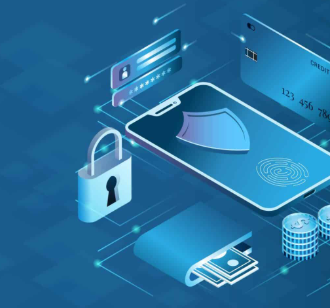
LIPOSONLINE.COM- Passwords are on their way out, and your face or fingerprint is stepping in. As online banking becomes our primary way to handle money, financial institutions are completely rethinking how they confirm you are actually you. The days of wrestling with forgotten alphanumeric codes are fading fast. Today, biometric authentication in banking explained through everyday interactions means your unique physical traits and phone habits act as digital keys. But what goes on behind the scenes when your banking app grants you access in less than a second? Let’s take a look under the hood.
Why Traditional Passwords No Longer Cut It
For decades, we relied on passwords, PIN numbers, and security questions to protect our bank accounts. Baca Juga : Is Online Banking Safe? AI, Biometrics & 2026 Security Unfortunately, cybercriminals have mastered the art of exploiting these old-school barriers. Industry research shows that roughly 88% of web application breaches involve compromised credentials. People naturally reuse passwords across multiple websites, write them down on sticky notes, or fall victim to clever phishing scams.
-
The Breach Epidemic: Over 60% of consumers have been forced to reset primary login details following a major corporate data leak.
-
Human Vulnerability: Nearly 46% of everyday users admit to writing down sensitive passwords or storing them in unencrypted notes apps on their phones.
-
Friction and Fatigue: More than half of all digital banking users completely abandon app sessions simply because recovering a forgotten password takes too much effort.
Because static codes are so easy to steal, banks are rapidly shifting toward biometric authentication in banking explained through automated physical and behavioral checks. Consumer approval for this shift is remarkably high, with 81% of banking customers viewing biometric logins as a significantly safer identity verification method than standard passwords.