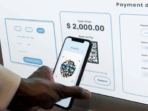
MSMEs Level Up: Small shop owners can accept QRIS payments. MSME players can apply for working capital through P2P lending without house collateral.
Transparency and Efficiency: Interbank transfer fees have dropped. The loan application process that used to take 2 weeks can now be done in 1 day thanks to AI and big data-based credit scoring.
Increased Financial Literacy: Investment apps like Bibit, Ajaib, and Bareksa have made young people dare to invest in mutual funds starting from Rp10,000. However, behind the convenience, there are challenges.
Data security, online fraud, and illegal lending practices remain homework for regulators, the industry, and the public.
The New Technologies Behind Fintech
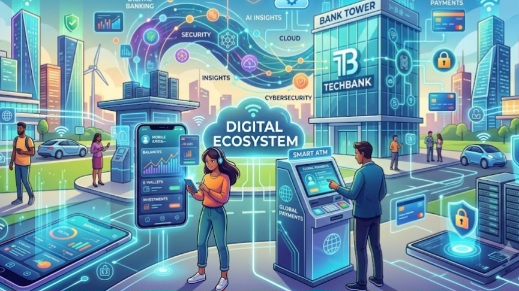
Fintech companies today do not rely only on apps. Behind the scenes, they leverage advanced technology to make services faster and safer.
Artificial Intelligence and Big Data are usedtoanalyze customer behavior. From this, banks and fintechs can determine a person’s credit score, detect suspicious transactions, and provide recommendations for suitable financial products.
Blockchain is being tested for cross-border transactions and tamper-proof record-keeping systems. Several major banks have already tested blockchain for international transfers.
Edge Computing and Cloud allow banking apps to handle millions of transactions simultaneously without lag, especially on payday or during holidays. Biometrics such as fingerprints, facial recognition, and voice recognition are now the new security standard in mobile banking apps.
This replaces passwords that are vulnerable to hacking.The Future of Fintech in IndonesiaLooking at current trends, the future of fintech in Indonesia is still very bright.
There are several factors driving this growth.First, demographics. Indonesia has 270 million people with a majority of productive age and tech-savvy.
Second, government support. BI and OJK continue to issue regulations that support innovation while maintaining consumer protection.Third, collaboration.
Traditional banks are now working with fintech startups instead of competing.Going forward, we will see more “embedded finance” — financial services embedded in non-financial apps.