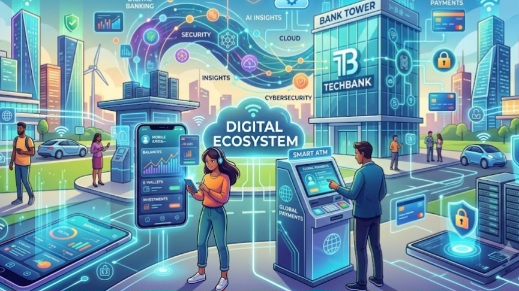
They gradually increased the number of ATMs, trained customers, and built trust through layered security systems.At the time, KlikBCA used 2048-bit SSL encryption and firewalls — something considered very advanced for its era.
In the capital market sector, technology was also adopted. In 2000, Indonesia implemented the Scripless Trading System.
Two years later, the Jakarta Stock Exchange began using a remote trading system that allowed stock transactions without having to go to the exchange building.
This development became an important foundation before fintech finally exploded in the smartphone era.
The Fintech Boom: From M-Banking to Pay Later
Entering the 2000s, the use of e-banking in Indonesia continued to grow. Data shows that in 2014, the value of e-banking transactions reached Rp6,447 trillion, up 17.32% from the previous year.
This figure showed that people were becoming comfortable with non-cash transactions.The turning point came when smartphones and affordable internet entered Indonesia.
The modern public’s need for speed and mobility gave birth to mobile banking or m-banking.With m-banking, customers no longer needed to open a laptop. With just a tap on their phone screen, transfers, payments, and balance checks could be done 24/7.