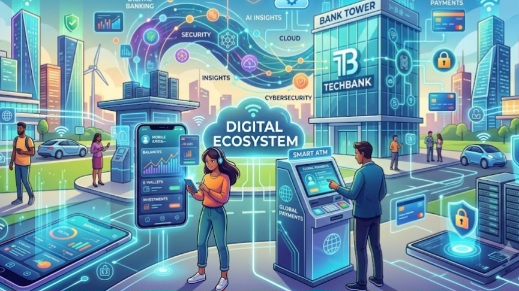
2015 became the golden year for fintech in Indonesia. In that year, digital payment systems began to be widely used.Gojek, Grab, Tokopedia, and Shopee started integrating digital wallets into their services.
People were made it easier to pay for rides, order food, shop online, and even pay BPJS health insurance. In the same year, the Indonesian Joint Funding Fintech Association or AFPI was established.
AFPI’s presence was like an oasis for the P2P lending industry, which at the time was growing rapidly but did not yet have clear regulations and standards.
Since then, fintech companies have grown like mushrooms. Supported by soaring internet penetration and rising digital literacy, various innovations were born.
There are digital wallets, online loans, crowdfunding, mutual fund investments via apps, digital insurance, and the “buy now, pay later” feature.
Based on the latest data, the fintech segment in Indonesia is still dominated by payments at 43%. Next is lending at 17%. The rest is spread across crowdfunding, aggregators, financial planning, and insurtech.
To date, the Financial Services Authority (OJK) has recorded 158 officially registered and licensed fintech lending companies.
Meanwhile, Bank Indonesia has recorded 54 registered payment system providers. These numbers show how fast this industry has grown in the last 10 years.
The Impact of Fintech on Society and MSMEs
The rise of fintech has not only transformed how city dwellers manage their finances. Its greatest impact has been on those who were previously “unbanked” or had no access to banking services.
Easier Financial Access: People in remote areas can now open digital bank accounts without going to a branch. The process takes 5 minutes with an ID card and a selfie.