The Integration of Smart Tech
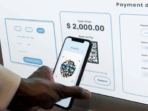
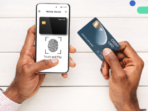
The real “Digital Shift” occurred when banks realized that an ATM could act as a branch proxy. Modern machines now leverage biometric authentication, mobile-integrated withdrawals, and even artificial intelligence to detect fraud in real-time. Statistics show that modern, “smart” ATMs can handle up to 40% more transaction types than their counterparts from two decades ago, effectively reducing the need for physical branch staffing.
Lowering Operational Costs
For financial institutions, the ATM was a dream come true for the bottom line. Research suggests that a human-teller transaction costs a bank approximately $3.00 to $4.00. Conversely, an ATM transaction costs the institution less than $0.50. This roughly 85% reduction in operational cost allowed banks to reinvest in digital infrastructure, paving the way for the mobile banking apps we use today.
Consumer Behavior: The Shift to Self-Service
How ATMs changed modern banking forever is best observed in the psychology of the customer. We are no longer passive recipients of financial services; we are active managers of our assets. The ATM normalized the concept of self-service. When users became comfortable trusting an algorithm to handle their money, the bridge to online banking and eventually cryptocurrency became significantly shorter.
The Decline of the Physical Branch
Data indicates that branch visits have plummeted by nearly 50% over the last decade. While some of this is attributed to mobile banking, it was the ATM that laid the foundation for the “branch-lite” model. Banks now operate smaller footprints because they understand that 75% of a customer’s needs can be met through automated kiosks or digital portals.