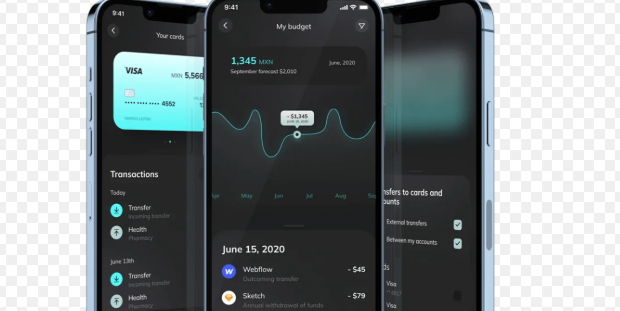
Legacy systems often remain in place because they are stable and deeply integrated into banking operations.
Problems With Legacy Infrastructure
Common limitations include:
- Difficult integration with modern APIs
- High maintenance costs
- Limited development flexibility
- Dependence on specialized legacy skills
- Slow product releases
- Difficulty supporting modern digital services
The scale of the issue is significant. FIS reported in its 2025 global business banking research that 92% of surveyed business banking leaders were concerned about their current level of legacy systems and technical debt, including 43% who were very concerned.
Read Also : Core Banking Software
Advantages of Modern Architecture
Modern solutions tend to emphasize:
- Modular design
- Cloud readiness
- API-first connectivity
- Real-time processing
- Automated deployment
- Improved scalability
- Easier integration
The goal is not simply to replace old technology. The goal is to create an infrastructure that can adapt more easily to future banking requirements.
Challenges of Implementing Core Banking Solutions
Modernization is a major project, and banks cannot afford to approach it casually.
Cost and Complexity
Replacing a core system can involve software licensing, infrastructure, consultants, employee training, testing, migration, and ongoing support.
The cost is not limited to the technology itself.
Data Migration
Banks may have decades of customer and transaction information stored in older systems. Moving that information requires extensive validation and testing.
Even small data inconsistencies can create operational problems.
Regulatory Compliance
Financial institutions operate under strict regulatory requirements. A new system must support appropriate reporting, auditability, security, data governance, and controls.
Business Continuity
Banks cannot simply switch off their existing core for weeks while a replacement is installed.
For this reason, many institutions use phased migration, parallel environments, modular replacement, or hybrid approaches.
The Federal Reserve notes that institutions can consider several modernization approaches, including full replacement, component-based replacement, or augmenting existing systems.
How to Choose the Right Core Banking Solutions
Financial institutions should look beyond a vendor’s feature list when evaluating a platform.
Important considerations include:
- Scalability
- Security
- API capabilities
- Cloud compatibility
- Integration options
- Regulatory support
- Data migration capabilities
- Vendor stability
- Total cost of ownership
- Disaster recovery
- Product configuration
- Technical support
A bank should also consider its long-term strategy. A solution that works well today may become restrictive if it cannot support future payment systems, AI applications, digital products, or ecosystem partnerships.
The Future of Core Banking Solutions
The future of Core Banking Solutions will likely be shaped by artificial intelligence, cloud computing, open APIs, real-time payments, automation, and modular architecture.
AI can potentially support fraud detection, customer service, predictive analytics, operational automation, and personalized financial experiences. However, AI works best when the underlying data and infrastructure are reliable.
Modernization is therefore becoming more than an IT project. It is increasingly a business strategy.
Market growth reflects this shift. Fortune Business Insights estimates that the broader core banking software market could increase from $19.30 billion in 2025 to $80.65 billion by 2034, representing a 17.4% CAGR.
Meanwhile, research from Temenos and IBS Intelligence recorded 122 universal core banking deals in 2025, indicating continued activity around core-system transformation.
Conclusion
Core Banking Solutions are becoming one of the most important building blocks of modern financial services. They sit behind everyday banking activities while increasingly connecting mobile applications, payment systems, APIs, cloud platforms, analytics, and emerging technologies.
The industry is moving away from rigid, isolated infrastructure toward systems that are more modular, connected, scalable, and capable of supporting real-time services. At the same time, banks still need to balance modernization with security, regulatory requirements, operational stability, and cost.
The statistics tell an interesting story. Cloud core banking is growing at double-digit rates, 92% of surveyed business banking leaders report concerns about legacy systems, and the broader core banking software market is projected to expand substantially over the coming years.