This composition proves that digital transformation is not only enjoyed by large enterprises but also reaches micro and small business operators across various regions.
Transaction achievements also showed a significant surge. Throughout the first semester of 2026, QRIS recorded 12.55 billion transactions. In terms of value, total transactions reached Rp1.12 quadrillion, growing 93.92% year-on-year (YoY).
Read Also : Zero Trust Banking: A Modern Approach to Financial Cybersecurity
This growth is supported by ease of use, an extensive merchant network, and supportive affordable fee policies.
Synergy of BI, ASPI, and Industry Drives National Digital Economy
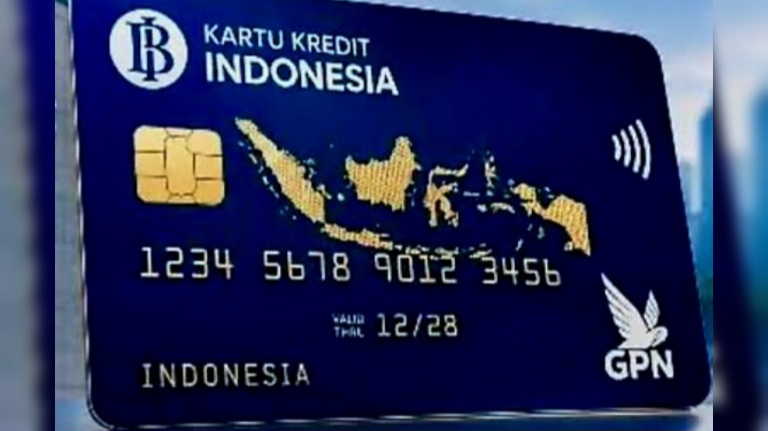
The launch of the Indonesian Credit Card and the expansion of the 0% QRIS MDR are the results of collaboration among Bank Indonesia, ASPI, Payment System Service Providers (PSP), and other stakeholders.
This step is part of the strategy to accelerate the strengthening of the digital economy and the independence of the national payment system.
This policy aligns with the Indonesian Payment System Blueprint 2030 and the Government’s Asta Cita program, which places economic strengthening as a priority to sustain long-term growth.
With the Indonesian Credit Card, the public has a domestic payment instrument choice that processes transactions locally. Meanwhile, the expansion of the 0% MDR provides greater room for MSMEs to adapt to cashless payments without being burdened by high fees.
Read Also :Modus Pakai QR Barcode, 3 Pelaku Penimbun BBM Solar Subsidi Ditangkap di Palembang
Bank Indonesia emphasized that industry sustainability remains a primary focus. A balance between user benefits, merchant growth, and the business health of PSPs serves as the core principle in every policy.
Moving forward, BI together with the industry will monitor field implementation, conduct digital literacy education, and ensure consumer protection operates optimally to ensure policy benefits reach all corners of the nation.