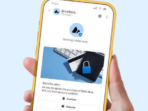
Building Trust in the Virtual Vault
The biggest hurdle in the early days wasn’t technology—it was fear. Customers were inherently skeptical about transmitting sensitive financial data over the burgeoning “World Wide Web.” Banks invested heavily in encryption protocols, which eventually led to a massive shift in sentiment. Between 2000 and 2005, the number of users managing accounts online jumped by over 200%, signaling that the public was finally ready to embrace the screen over the teller.
The Smartphone Era: Mobile Banking Takes Center Stage
If the internet made banking accessible, the smartphone made it ubiquitous. The introduction of the iPhone in 2007 acted as a springboard for a new era of personal finance.
The App Economy and Banking Integration
By 2012, banking apps weren’t just digital versions of a ledger; they were hubs for lifestyle management. Banks began integrating features like mobile check deposits, which allowed customers to skip the branch entirely by simply snapping a photo of a check. Statistics from 2015 showed that nearly 45% of millennials preferred mobile banking over visiting a physical branch, a shift that forced traditional banks to shut down thousands of brick-and-mortar locations worldwide to cut costs.
Security Advancements and Biometrics
As mobile banking grew, so did the need for sophisticated security. The integration of biometric data—such as fingerprint scanning and facial recognition—has become the gold standard. Currently, over 70% of modern banking apps utilize some form of biometric authentication, reducing fraud rates significantly compared to the traditional password-only systems of the early 2000s.
The Evolution of Digital Financial Services
Online banking isn’t just about moving money; it’s about the democratization of financial tools. We have moved from simple account management to complex ecosystems.