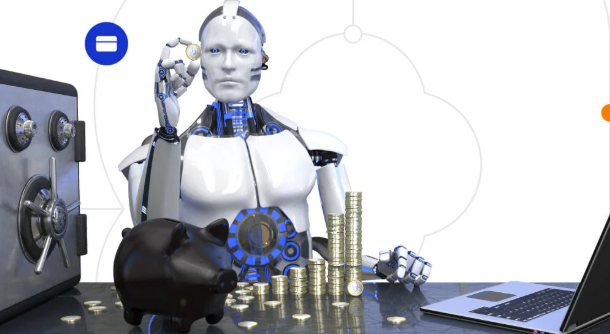
LIPOSONLINE.COM – Banking automation is moving beyond simple software bots and repetitive data entry. Artificial intelligence, cloud computing, APIs, machine learning, digital identity, and real-time analytics are gradually becoming part of the same technology ecosystem. For banks, the goal is no longer just to automate individual tasks, but to build faster and more connected financial operations.
The Future of Banking Automation Technology will likely be shaped by how well financial institutions combine automation with security, human oversight, reliable data, and customer expectations.
What Is the Future of Banking Automation Technology?
The future of banking automation refers to the growing use of software and intelligent technologies to perform, coordinate, and improve financial processes with less manual intervention.
Traditional automation typically follows fixed rules. Newer systems can combine rules with artificial intelligence and machine learning, allowing them to analyze information, identify patterns, and support more complex decisions.
This creates a shift from basic automation toward intelligent automation.
A future banking workflow could involve:
- AI analyzing incoming information
- RPA moving data between systems
- APIs connecting banking applications
- Cloud platforms processing workloads
- Analytics monitoring performance
- Employees reviewing unusual cases
Instead of having separate tools perform isolated tasks, these technologies can work together as a connected workflow.
AI Will Become a Major Part of Banking Automation
Artificial intelligence is likely to have one of the biggest influences on banking automation.
Unlike traditional RPA, which generally follows predefined instructions, AI can analyze large amounts of data and identify patterns.
Financial institutions can use AI-assisted automation for areas such as:
- Fraud monitoring
- Customer service
- Credit analysis
- Document processing
- Risk management
- Financial forecasting
According to IBM’s Global AI Adoption Index, 42% of organizations surveyed had actively deployed AI, while another 40% were exploring AI applications. Although the research covers industries broadly rather than banking alone, the figures demonstrate the growing interest in enterprise AI.
For banks, the important question will be how AI can be deployed responsibly.
Automation that affects financial decisions needs strong controls because an incorrect automated result can have consequences for customers.
Robotic Process Automation Will Continue Evolving
Robotic Process Automation remains useful because many banking workflows still involve repetitive digital actions.
RPA can automatically:
- Transfer information between systems
- Generate reports
- Reconcile records
- Process routine requests
- Update customer information
- Trigger notifications
However, future RPA systems are likely to become more connected with AI and APIs.
This means a bot may no longer simply follow a fixed sequence of clicks. Instead, it could receive information from an AI system, process it through an API, and send an exception to an employee.
Research from Grand View Research estimates that the global banking RPA market will experience strong growth over the coming years, reflecting continued demand for automation in financial operations.
The exact level of adoption will vary by bank because legacy systems, regulations, and technology budgets are different.
Cloud Technology Will Support Banking Automation
Cloud computing is another major component of the future banking technology landscape.
Automation requires computing resources, data storage, application connectivity, and monitoring. Cloud platforms can provide these capabilities with greater flexibility than many traditional infrastructure models.
According to Flexera’s 2025 State of the Cloud Report, 89% of organizations surveyed reported having a multi-cloud strategy.
Although this statistic covers organizations across industries, it illustrates how common cloud-based infrastructure has become.
For banks, cloud adoption can support:
- Scalable computing
- Automated data processing
- Faster application deployment
- API-based integration
- Centralized analytics
- Disaster recovery
However, financial institutions need to consider data protection, regulatory requirements, resilience, and third-party risk before moving sensitive workloads.
Real-Time Banking Automation Will Grow
Customers increasingly expect financial services to respond immediately.
A payment notification that arrives several minutes later may feel slow compared with other digital services.
Future automation will therefore focus increasingly on real-time or near-real-time processes.
Examples include:
Real-Time Fraud Detection
Automated systems can analyze transactions as they occur and identify potentially suspicious behavior.
Instant Customer Notifications
Banks can automatically notify customers about payments, account changes, and security events.
Automated Payment Processing
Digital payment systems can validate and route transactions rapidly with minimal manual intervention.
Real-Time Risk Monitoring
Financial institutions can monitor selected risk indicators continuously instead of relying entirely on periodic reports.
The percentage of banking processes that can operate in real time will depend on infrastructure, transaction type, regulatory requirements, and system integration.
Digital Identity Will Strengthen Automated Banking
Identity verification is becoming increasingly important as customers open accounts and access services remotely.
Electronic KYC, biometric authentication, document verification, and digital identity platforms can reduce the need for physical interactions.
A future automated onboarding process could look like this:
- The customer submits identification information.
- The system extracts document data automatically.
- Biometric technology verifies the customer.
- Automated checks compare information against approved sources.
- Risk systems evaluate the application.
- A human employee reviews exceptions.
This approach can make onboarding significantly faster while maintaining additional security layers.
Banking Automation and Cybersecurity
Automation will not eliminate cybersecurity risks. In some cases, it can create new ones.
Automated systems may have access to sensitive customer records, transaction systems, and internal applications. If access controls are poorly designed, a compromised automation account could create serious problems.
Future banking automation therefore needs security built into the workflow.
Important controls include:
- Multi-factor authentication
- Role-based access
- Encryption
- Continuous monitoring
- Audit logging
- Automated anomaly detection
- Regular access reviews
According to IBM’s Cost of a Data Breach Report 2024, the global average cost of a data breach reached $4.88 million, the highest average recorded in that report.
For financial institutions, this demonstrates why automation cannot be separated from cybersecurity.
Employees Will Not Simply Disappear
One common assumption about banking automation is that software will replace large numbers of employees.
The reality is more complicated.
Automation is particularly effective at repetitive and predictable tasks. Human employees remain important for activities requiring judgment, empathy, negotiation, investigation, and accountability.
As automation increases, some roles may change.
Employees may spend less time on:
- Manual data entry
- Repetitive reconciliation
- Routine document processing
And more time on:
- Exception management
- Customer support
- Risk analysis
- Process improvement
- Technology oversight
The future workforce will therefore require a different combination of financial knowledge and digital skills.
Automation Will Become More Personalized
Banking automation is also likely to become more customer-focused.
Instead of offering the same automated experience to every customer, AI-powered systems can analyze customer behavior and preferences to provide more relevant services.
Examples could include:
- Personalized financial notifications
- Automated savings suggestions
- Customized product recommendations
- Spending insights
- Proactive security alerts
However, personalization needs boundaries. Banks must ensure that customer data is used transparently and responsibly.
The Role of APIs in Automated Banking
Application Programming Interfaces, or APIs, are another important building block.