Both senders and recipients must travel to a physical post office, which may present difficulties for elderly individuals or those living far from postal facilities.
Conclusion
The history of the money order demonstrates that financial innovation is not defined solely by new technology.
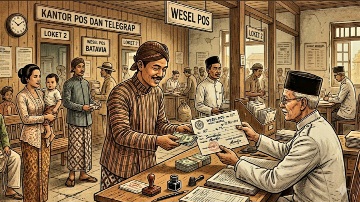
Frommedieval bills of exchange and telegraphic money ordersto today’s digital postal money order services, theunderlyingmission hasremained unchanged: to provide a secure, reliable, and accessible way for people to transfer money.
While digitalbanking has become the preferredchoice for most consumers, postal money orders continue to serve an important role by extending financial services to communities that remain beyond the reach of conventional banking infrastructure.