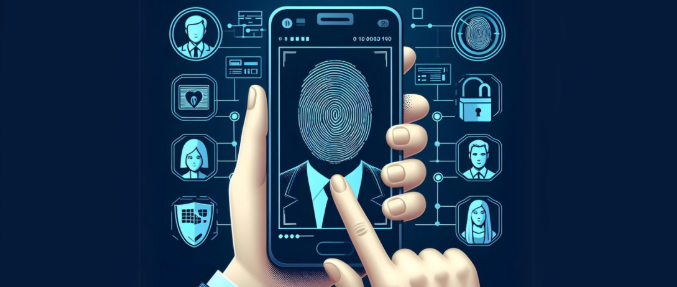
LIPOSONLINE.COM – The way people access financial services is changing rapidly. Customers no longer want to visit branches for every banking activity. They expect to open accounts, transfer money, apply for services, and verify their identity through digital platforms.
This transformation has created a growing need for secure identity solutions. Digital Identity Technology in Banking helps financial institutions confirm who customers are through electronic credentials, biometric verification, artificial intelligence, and secure digital records.
As online banking continues expanding, digital identity has become more than a security tool. It is becoming a foundation for creating faster, safer, and more personalized financial experiences.
What Is Digital Identity Technology in Banking?
Digital Identity Technology in Banking refers to systems that allow banks to identify, authenticate, and manage customers digitally without relying entirely on physical documents or face-to-face verification.
A digital identity represents a collection of verified information connected to an individual. This may include personal details, biometric information, authentication credentials, and transaction-related identity data.
Unlike traditional identity verification, which often depends on physical documents, digital identity systems use technology to confirm customers remotely.
Common components include:
- Electronic identity records
- Biometric authentication
- Digital signatures
- Multi-factor authentication
- Artificial intelligence verification
- Identity databases
- Encryption technologies
The main purpose is to create a trusted connection between customers and financial institutions while reducing fraud risks.
According to the World Bank, approximately 850 million people globally still lack official identification, highlighting the importance of accessible digital identity systems for financial inclusion.
How Digital Identity Technology Works in Banking
Digital identity systems combine several technologies to verify customers and protect financial activities.
1. Identity Registration and Verification
The first step is creating a verified digital identity.
Customers usually provide information such as:
- Name and personal details
- Government-issued identification
- Biometric information
- Contact information
Modern systems can use automated verification tools to check whether submitted information is accurate.
For example, a customer opening a digital bank account may upload an identity document and complete a facial verification process through a smartphone.
2. Biometric Authentication
Biometric technology is one of the most widely used methods in digital banking identity systems.
Instead of relying only on passwords or PIN numbers, banks can verify customers using unique physical characteristics.
Common biometric methods include:
- Facial recognition
- Fingerprint scanning
- Voice recognition
- Iris authentication
Biometric authentication improves convenience because customers do not need to remember complex passwords.
According to MarketsandMarkets, the global biometric system market continues growing as industries including banking increase adoption of secure identity verification technologies.
3. Artificial Intelligence and Machine Learning
Artificial intelligence plays an important role in improving digital identity accuracy.
AI systems can analyze identity information, detect unusual patterns, and identify possible fraud attempts.
Examples include:
- Detecting fake identity documents
- Recognizing unusual login behavior
- Identifying suspicious account activity
- Improving facial recognition accuracy
Machine learning systems become more effective as they process larger amounts of identity-related data.
Benefits of Digital Identity Technology in Banking
Faster Customer Onboarding
One of the biggest advantages of digital identity technology is reducing the time needed to become a banking customer.
Traditional account opening may require customers to visit a branch and complete manual verification.
Digital identity allows customers to complete many steps remotely.
Benefits include:
- Faster account creation
- Less paperwork
- Remote verification
- Improved customer convenience
A digital onboarding process can reduce verification times from several days to only minutes in suitable cases.
This capability is especially important for digital banks and fintech companies competing through speed and convenience.
Improved Security and Fraud Prevention
Identity fraud is a major challenge for financial institutions.
Digital identity technology provides multiple security layers that make unauthorized access more difficult.
Banks can combine:
- Biometrics
- Device recognition
- Behavioral analysis
- Multi-factor authentication
- AI fraud monitoring
A layered approach improves protection because attackers must overcome multiple verification methods rather than only stealing a password.
According to IBM’s Cost of a Data Breach Report, identity-related weaknesses remain a significant factor in cybersecurity incidents, making stronger authentication methods increasingly important.
Better Customer Experience
Modern customers expect financial services to work quickly and smoothly.
Digital identity technology removes many unnecessary steps from banking activities.
Customers can benefit from:
- Easier mobile banking access
- Faster authentication
- Simplified account recovery
- Secure online transactions
A smoother identity experience can improve customer satisfaction and encourage greater adoption of digital banking services.
Supporting Financial Inclusion
Digital identity technology can help more people access financial services.
In areas where physical banking infrastructure is limited, digital verification allows customers to access financial products remotely.
This supports:
- Digital account opening
- Mobile financial services
- Remote customer verification
- Access to payment systems
The World Bank’s Global Findex research has shown that digital financial services continue expanding worldwide, with mobile technology playing an important role in increasing access to financial services.
Digital Identity Technology Use Cases in Banking
Digital Account Opening
Banks increasingly use digital identity solutions when customers create new accounts online.
The process may include:
- Customer submits personal information
- Identity documents are verified
- Biometric checks are completed
- Account approval is processed
This reduces manual workload while improving onboarding speed.
Secure Login Authentication
Digital identity technology helps customers securely access online banking.