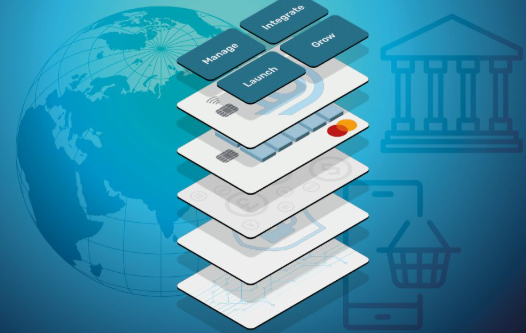
LIPOSONLONE.COM- Digital banking has transformed the financial industry faster than ever before. Terms like Banking as a Service (BaaS) and Open Banking are now common in discussions about fintech, embedded finance, and digital payments. Although these concepts often appear together, they are not the same. Understanding Banking as a Service vs Open Banking helps businesses, developers, and consumers recognize how modern financial services are built and delivered.
Both models rely heavily on APIs, but they serve different purposes. Banking as a Service enables companies to offer banking products directly within their own platforms, while Open Banking focuses on securely sharing financial data between institutions with customer permission. Together, they are shaping the future of finance by making banking more connected, innovative, and accessible.
Banking as a Service vs Open Banking: Understanding the Basics
Many people confuse Banking as a Service and Open Banking because both involve API technology. However, their goals are fundamentally different.
What Is Banking as a Service (BaaS)?
Banking as a Service is a model where licensed banks provide their financial infrastructure to third-party companies through APIs. This allows businesses that are not banks to offer financial services without obtaining a banking license.
Examples include:
- Digital wallets
- Debit cards
- Savings accounts
- Business accounts
- Lending products
- Payment processing
Instead of building an entire banking system, companies simply integrate with a BaaS provider.
According to industry research, the global Banking as a Service market is projected to grow at an annual rate exceeding 16% through the next decade, driven by increasing demand for embedded finance.
What Is Open Banking?
Open Banking allows consumers to securely share their banking data with approved third-party providers using standardized APIs.
Read Also : Bank API vs Payment Gateway: Functions, Security, Risks, and the Future in Indonesia
Its primary purpose is data accessibility rather than infrastructure sharing.
Common Open Banking applications include:
- Personal finance apps
- Budget tracking
- Loan comparison platforms
- Investment dashboards
- Credit scoring services
Studies indicate that more than 70% of consumers are willing to share financial data if they receive personalized financial services in return.
Banking as a Service vs Open Banking: The Biggest Differences
Although both depend on APIs, their functions differ significantly.
| Feature | Banking as a Service | Open Banking |
| Primary Purpose | Deliver banking products | Share financial data |
| Main Users | Businesses and fintech companies | Consumers and financial apps |
| Banking License | Provided by partner bank | Existing bank remains licensed |
| API Function | Banking infrastructure | Customer data sharing |
| Typical Products | Cards, accounts, payments, loans | Budget apps, financial analytics |
| Revenue Model | Infrastructure fees | Value-added financial services |
In simple terms:
- Banking as a Service builds banking products.
- Open Banking connects financial data.
How Banking as a Service Works
Banking as a Service follows a layered business model.
Step 1: Licensed Bank
A regulated bank provides:
- Compliance
- Regulatory oversight
- Core banking systems
- Risk management
Step 2: BaaS Platform
The Banking as a Service provider exposes APIs for services such as:
- Account creation
- Payments
- Card issuing
- Identity verification
- Transaction monitoring
Step 3: Business Integration
A company integrates these APIs into its own application.
Customers interact with the company’s interface while the licensed bank operates in the background.
Industry reports estimate that nearly 40% of fintech startups now rely on Banking as a Service partnerships instead of pursuing independent banking licenses.
How Open Banking Works
Open Banking revolves around customer consent.
The process usually follows these steps:
- A customer grants permission.
- The bank authenticates the request.
- Financial data is securely shared.
- A third-party application analyzes the information.
- The customer receives personalized financial services.
Examples include:
- Spending analysis
- Automatic savings recommendations
- Investment insights
- Mortgage comparison
- Expense categorization
Research shows Open Banking can reduce manual financial data entry by approximately 80%, significantly improving user experience.
Benefits of Banking as a Service
Banking as a Service creates opportunities for both banks and businesses.
Faster Product Launches
Companies can introduce financial services months faster than building banking infrastructure from scratch. Development time may decrease by 50–70%.
Lower Development Costs
Building a licensed banking platform can require millions of dollars.
Using Banking as a Service dramatically lowers:
- Infrastructure costs
- Compliance expenses
- Operational complexity
Some startups report infrastructure savings of over 60%.
Embedded Finance
BaaS enables businesses to integrate financial products directly into customer journeys.
Examples include:
- Ride-sharing apps offering driver accounts
- E-commerce platforms providing installment payments
- Payroll platforms issuing salary cards
- Retail brands offering branded debit cards
Embedded finance is expected to account for trillions of dollars in transaction value globally over the coming years.
Benefits of Open Banking
Open Banking focuses on empowering consumers.
Better Financial Transparency
Customers can manage multiple bank accounts from one application.