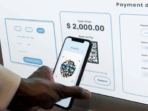
In 2026, the financial landscape remains as volatile as ever. Statistics show that roughly 71% of homeowners are currently feeling the strain of rising financial service costs. This reflects the same economic pressures that merchant-bankers faced centuries ago when currency was unstable.
By the Numbers
-
5.3%: Rate of insured homes filing claims in 2023—reminding us that financial security is the ultimate goal of banking.
-
25%: The spike in premiums in high-risk coastal regions this year, highlighting how “risk” remains the central pivot of all financial products.
-
97%: The shift to digital-first banking, yet we still rely on archaic trust models to keep those transactions secure.
The Modern Tension: Convenience vs. Control
History teaches us that every time we simplify money, we concentrate power. Today’s fintech revolution offers unmatched convenience, but it also creates new vulnerabilities—like cyber-risks and data privacy issues.
Banking was originally created to control trade. Modern fintech platforms walk this same line: they provide instant gratification while holding the keys to our digital identities. Understanding that this tug-of-war has existed for 4,000 years turns you from a passive user into a savvy financial participant.
How to Stay Ahead
You don’t need a history degree to be smart with your money. Just apply these historical lessons:
-
Don’t Blindly Trust the Interface: Apps make finance look easy, but they operate on the same risk models as the banks of the past.
-
Seek Transparency: The most successful institutions throughout history have always been those that were transparent about their ledgers and fees.
-
Diversify Your Trust: Never rely on a single system. Having a mix of assets—traditional banking and newer digital tools—is a survival strategy that has withstood every economic cycle in history. Banking Finance Explained: From Everyday Transactions to Global Financial Markets
Finance isn’t just math; it’s a human story of ambition and survival. Those “dark origins”—the secrecy and the power plays of the past—have simply morphed into the algorithms of 2026. By realizing that we are simply in the latest chapter of a very old, very messy saga, you’ll be far better equipped to manage your money in a world that never stops changing.