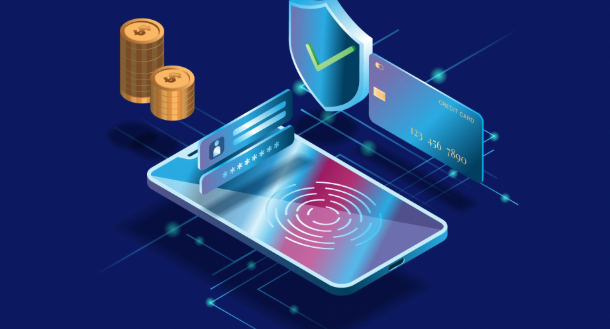
Biometric Authentication: The New Standard for Digital Trust
Passwords are rapidly becoming a relic of the past. Between data breaches and the human tendency to reuse simple combinations, static passwords leave digital banking accounts exposed. Enter biometric authentication—a security paradigm rooted in physical and behavioral traits that are virtually impossible for hackers to duplicate.
From facial recognition and fingerprint scanning to behavioral biometrics—such as how a user holds their phone, types on a screen, or swipes through an app—security has shifted toward continuous verification. This means security doesn’t just stop at the login screen; it monitors user interaction throughout the entire session to ensure the rightful owner is in control. Baca Juga : The AI Revolution: Transforming the Modern Banking Landscape
-
Consumer Confidence: Global surveys reveal that 81% of consumers view biometrics as a significantly more secure method of identity verification compared to traditional alphanumeric passwords.
-
Massive Market Growth: Biometrically authenticated remote mobile transactions are projected to surge dramatically, crossing multi-trillion-dollar thresholds as financial apps mandate seamless verification layers.
-
Error and Fatigue Reduction: Implementing biometric touchpoints eliminates password-recovery friction, which historically caused over 50% of users to abandon digital purchase or banking sessions out of sheer frustration.
Layered Defense Frameworks: How Banks Protect Your Funds
Securing an online banking ecosystem requires more than just a single protective barrier. Leading financial institutions now implement a multi-layered security strategy often referred to as defense-in-depth. This approach combines device intelligence, multi-factor authentication (MFA), geofencing, and behavioral tracking to create an impenetrable fortress around user accounts. Baca Juga : How 10 Years of Banking Tech Shifted Your Daily Finance
When a user initiates a transfer, the banking system evaluates dozens of contextual parameters simultaneously. It checks whether the device is trusted, verifies the physical location, analyzes typing cadence, and compares the transaction amount against historical spending habits. If any single variable falls outside the normal baseline, the system triggers an instant step-up verification requirement, effectively blocking bad actors before damage occurs.
-
Multi-Factor Adoption: Multi-factor authentication is now standard across more than 93% of digital banking platforms worldwide, serving as an essential baseline for account access.
-
Behavioral Impact: Behavioral profiling solutions analyze up to 18 billion user sessions monthly globally, mitigating account takeover risks by recognizing unique human interaction patterns.
-
Collaborative Intelligence: Over 86% of risk management professionals emphasize that real-time intelligence sharing between interbank institutions is vital to cutting off modern financial scams at the source.
Looking Forward: Navigating Your Digital Financial Safety
As financial technology continues to evolve, online banking remains remarkably safe, provided users and institutions maintain constant vigilance. While cybercriminals will undoubtedly continue testing digital boundaries with advanced tools, the defensive capabilities of modern banks—anchored by biometric verification, real-time AI monitoring, and rigorous multi-factor protocols—provide robust protection for digital assets.
Ultimately, online banking safety relies on a partnership between cutting-edge banking architecture and smart user habits, such as keeping software updated, utilizing biometric logins, and avoiding suspicious communication channels. By staying informed and leveraging these powerful technological safeguards, users can navigate the digital financial landscape with absolute confidence.