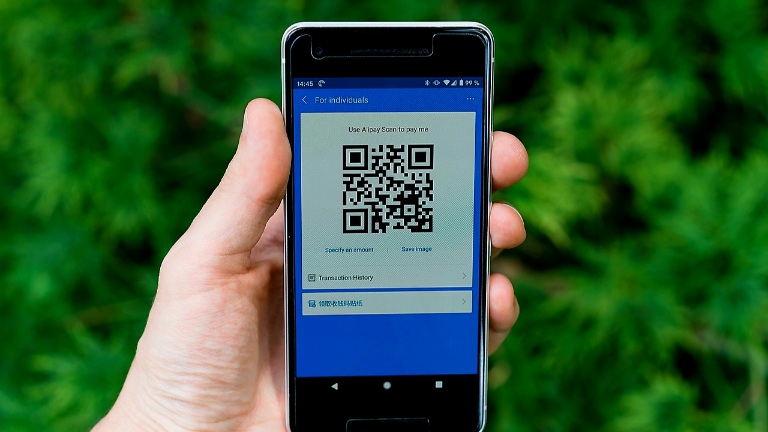
Meanwhile, digital lending platforms have become increasingly popular by offering fast application processes, flexible credit limits, and Buy Now, Pay Later (BNPL) facilities designed to meet the needs of modern consumers, particularly younger generations.
Challenges Ahead
Despite its rapid growth, digital banking still faces several challenges. Internally, financial institutions must continue investing in advanced IT infrastructure, cybersecurity technologies, and workforce development to keep pace with technological innovation and changing customer expectations.
Externally, varying levels of financial and digital literacy across Indonesia remain a major obstacle to wider adoption. Risks such as cybercrime, identity theft, and data misuse could undermine public confidence if not addressed effectively.
For this reason, ongoing innovation must be supported by strong consumer protection measures and adaptive regulations from the Financial Services Authority (OJK) and Bank Indonesia.
Striking the right balance between innovation, security, and public trust will be essential to ensuring the sustainable growth of Indonesia’s digital banking industry.