Finally, conventional banks are embracing digital transformation to remain competitive as digital-only banks continue to gain market share. Digital operations enable banks to improve efficiency while extending financial services to previously underserved regions.
Benefits for Customers
Digital banking offers numerous advantages for consumers. Banking services are available 24 hours a day, seven days a week, eliminating the need to visit branches for routine transactions.
Lower operational costs also allow digital banks to reduce administrative fees, transfer charges, and other banking costs. In addition, technologies such as Application Programming Interfaces (APIs) enable faster, more secure, and cost-efficient integration between banking systems and external platforms.
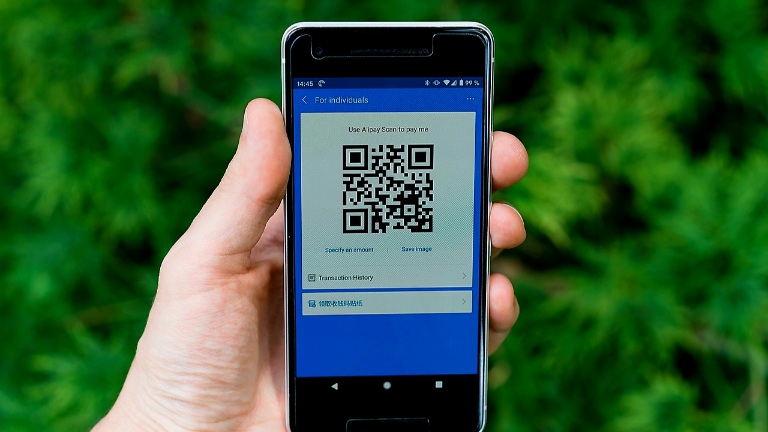
Today’s digital banks have also evolved beyond traditional savings and money transfers by offering services that support everyday activities. These include utility bill payments, QR code transactions, digital wallet top-ups, cardless cash withdrawals, and purchases of digital products and vouchers.
Security has become a core focus of digital banking. Most platforms now implement multi-layered authentication methods, including PINs, one-time passwords (OTP), fingerprint recognition, and facial authentication.
Nevertheless, cyber threats continue to evolve. Online fraud and social engineering attacks remain significant risks, making customer awareness and digital literacy increasingly important.
Modern digital banking platforms enable customers to take greater control of their financial activities by providing instant access to essential banking information and financial management tools.
Through a single application, users can monitor account balances in real time, review transaction histories, manage investments, organize budgets, and receive personalized financial insights and recommendations tailored to their individual spending habits and financial goals.
Continuous Innovation
Indonesia’s leading banks continue to strengthen their digital capabilities through mobile banking applications that allow customers to open accounts online, transfer funds, pay bills, top up digital wallets, and withdraw cash without using physical debit cards.
Open Banking services based on APIs also enable seamless integration between banking services and third-party platforms, including e-commerce marketplaces, healthcare providers, and educational institutions.