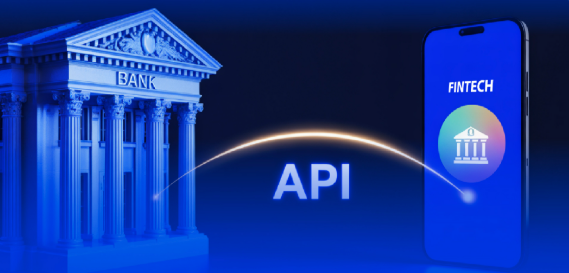
LIPOSONLINE.COM- Financial services are no longer limited to traditional banks. Today, online retailers, ride-sharing apps, healthcare platforms, and even software companies can offer banking features directly within their products. This transformation is powered by Banking as a Service (BaaS), a model that allows licensed banks to provide financial infrastructure through APIs. As digital finance continues to evolve, understanding the Benefits of Banking as a Service has become essential for businesses looking to stay competitive.
According to industry reports, the global Banking as a Service market is expected to grow at a compound annual growth rate (CAGR) exceeding 15–20% through the next decade, driven by rising fintech adoption, embedded finance, and increasing demand for seamless digital experiences.
What Is Banking as a Service?
Banking as a Service (BaaS) is a cloud-based business model where licensed financial institutions provide banking capabilities to third-party companies through secure APIs. Instead of building an entire banking system from scratch, businesses integrate these services into their own applications.
Common BaaS services include:
- Digital accounts
- Debit and virtual cards
- Payment processing
- Money transfers
- Lending solutions
- Identity verification
- Compliance management
This approach allows companies to launch financial products quickly without becoming licensed banks themselves.
Benefits of Banking as a Service for Businesses
The biggest Benefits of Banking as a Service lie in its flexibility, speed, and cost efficiency. Companies across multiple industries are leveraging BaaS to improve customer experiences while generating new revenue streams.
Faster Time to Market
Developing a traditional banking platform often requires years of infrastructure development, regulatory approvals, and security implementation. With Banking as a Service, businesses can reduce product launch timelines by 50–80%, depending on project complexity. Instead of spending years building financial infrastructure, developers simply integrate APIs provided by licensed banking partners.
Why Faster Launch Matters
- Quickly respond to customer demand
- Test new financial products
- Stay ahead of competitors
- Reduce development cycles
For startups, speed often determines whether an idea succeeds before competitors enter the market.
Lower Development Costs
Building a banking ecosystem independently requires massive investments.
Typical cost categories include:
- Core banking systems
- Security infrastructure
- Compliance teams
- Payment gateways
- Fraud monitoring
- Licensing
- Data centers
Using Banking as a Service significantly reduces these expenses because the infrastructure already exists. Industry estimates suggest companies can lower infrastructure investments by 30–60% when adopting BaaS rather than developing their own banking systems. This makes financial innovation accessible even for small and medium-sized businesses.
Better Customer Experience
Modern consumers expect financial services to be instant. Research consistently shows that more than 70% of customers prefer digital-first financial interactions over traditional branch visits.
BaaS enables companies to provide:
- Instant account creation
- Real-time payments
- Embedded financing
- One-click transactions
- Digital wallets
- Personalized financial tools
Instead of redirecting customers to external banks, everything happens inside a single application.