LIPOSONLINE.COM- In today’s hyper-connected landscape, waiting in a physical queue to deposit a check feels like a relic from a bygone era. Modern banking systems have shifted from being mere vaults for currency to becoming agile, digital ecosystems that prioritize the user’s journey, speed, and personalization.
The New Standard: Why Banking Systems Are Changing
The shift toward digital-first platforms isn’t just a trend; it is a fundamental rewrite of the financial rulebook. Customers now expect their banking app to be as intuitive as their social media feed. According to recent industry reports, 78% of consumers now prefer digital banking over visiting a branch, and banks that fail to provide a seamless omnichannel experience see a 25% higher attrition rate compared to their digitally-native competitors.
Banking systems are no longer just about transactions; they are about orchestrating an effortless financial lifestyle.
How AI-Driven Banking Systems Improve Customer Experience
Artificial Intelligence (AI) has become the backbone of modern financial interfaces. By analyzing spending habits in real-time, banking systems can now offer proactive advice rather than reactive statements.
Hyper-Personalization at Scale
Personalization is the “holy grail” of the modern banking system. When a system understands that a customer is planning a vacation or saving for a home, it shifts the interface to offer relevant tools.
-
Predictive Budgeting: AI tools now identify recurring expenses with 92% accuracy, allowing users to categorize their spending automatically.
-
Tailored Financial Advice: Customers receiving personalized financial nudges show a 30% increase in savings rates over a six-month period.
The Power of Real-Time Data and Open Banking
One of the most significant leaps in banking systems is the adoption of Open Banking. By allowing secure API integrations, banks can offer a holistic view of a customer’s financial health, regardless of where their money is actually held.
Reducing Friction in Financial Operations
The traditional banking system was fragmented. Today, API-driven systems connect credit scores, utility bills, and investment portfolios into one “single source of truth.”
-
Instant Crediting: Loan approval times have plummeted from days to minutes, with a 65% reduction in manual underwriting requirements for digital-only applicants.
-
Cross-Platform Integration: Integration with third-party fintech apps has seen a 40% growth in user engagement for traditional banks that embrace the “ecosystem” model.
Security as a Seamless Experience
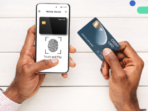
A common misconception is that high security creates high friction. However, modern banking systems use biometric authentication—like facial recognition and behavioral biometrics—to secure accounts without slowing the user down.
Statistics show that implementing multi-factor authentication (MFA) via behavioral analysis reduces fraud attempts by 55% while increasing login speeds for legitimate users by 20%. When the system “knows” the user’s typing rhythm or navigation style, it builds trust without constant password requests.
Challenges in the Digital Transition
While the transformation is positive, it is not without hurdles. Legacy infrastructure remains a bottleneck for many established institutions. Upgrading a core banking system is a massive undertaking, often requiring a multi-year roadmap.
-
System Latency: Older systems struggle to process real-time payments at scale.
-
The Trust Gap: Despite digital adoption, 15% of older demographics still express anxiety regarding the lack of physical human interaction. Banks must balance “High-Tech” with “High-Touch” support services to bridge this gap.
The Future: Banking Systems as Invisible Utilities
The ultimate goal of any banking system is to become “invisible.” This means the banking process is so integrated into the user’s life that they don’t even realize they are using a bank. Think of “Buy Now, Pay Later” (BNPL) options embedded directly into shopping checkouts—this is the future of banking.
As we look toward 2030, the integration of banking into IoT (Internet of Things) devices will become standard. Your car could pay for gas, or your smart fridge could authorize a grocery delivery payment, all managed by your underlying digital banking system.
Key Metrics for Success
If you are measuring the efficacy of a banking system’s customer experience, keep these KPIs in mind:
-
Net Promoter Score (NPS): Banks with high-performing mobile apps boast an NPS 20 points higher than those with outdated interfaces.
-
Time-to-Resolve: Efficient systems now resolve basic inquiries via chatbots in under 45 seconds, compared to a 10-minute wait time for phone support.
-
Feature Adoption Rate: Successful banks see at least 60% of their customer base using at least three distinct digital features (e.g., mobile deposit, P2P payments, and budget trackers).
Conclusion: Adapting to the Digital Era
The transformation of banking systems is a testament to the fact that customer expectations are the primary driver of technological innovation. By leveraging AI, open banking, and intuitive security protocols, institutions are moving from being transactional gatekeepers to being essential partners in their customers’ financial success. it=”true”>https://www.britannica.com/topic/bank-finance
The institutions that win in this decade will be those that view every interaction as an opportunity to reduce friction and build deeper trust. The technology is already here—the challenge lies in how effectively banks can weave it into the fabric of daily life.