Indonesia does not yet have a specific debt collection law. However, experts predict this regional trend will influence future policy, especially as discussions on financial consumer protection and open banking frameworks continue to grow.
3 Key Collection Technology Trends Toward 2027
1. AI Collectors and Agentic Automation
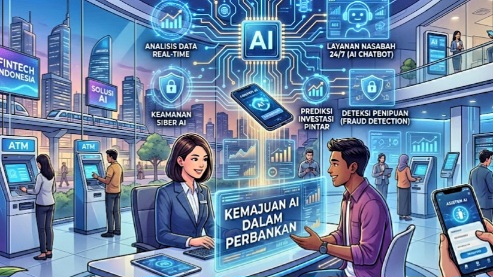
Machine learning-based collection software will optimize every stage: debtor segmentation, outreach strategy, payment reminders, and collection decision-making.
Read Also :Top Neobank Features That Make Digital Banking Better
Top AI platforms will deploy Voice AI agents that operate 24/7. This technology can increase right party contact rates by up to 7x and reduce agent workload by 75% compared to manual calls.
In addition, “probability to pay” algorithms will prioritize accounts based on historical signals and debtor behavior, not just on delinquency age and outstanding balance.
Human agents will then focus on complex cases, vulnerable debtors, and negotiations that require empathy.
2. Low-Friction, Digital-First Omnichannel
The new approach centers on omnichannel communication. Voice calls, SMS, WhatsApp, email, apps, and web portals will run through one orchestrated system with integrated compliance tracking.
On payments, the industry will adopt self-service and low-friction models. Debtors can pay via direct payment links, 24/7 portals, digital wallet integrations, and in-app payments. The goal is simple: remove barriers so debtors can pay more easily.
Read Also :Update Harga Emas Antam Terbaru di Pegadaian 6 Agustus 2026
Successful Accounts Receivable Management organizations in 2026–2027 will look like “digital first, compliant, AI-informed collections.” Legacy software that cannot meet these demands will likely disappear.
3. Open Banking and Data for Smarter Collections
Open banking and open finance are expanding rapidly in Asia Pacific. A Cambridge study found that 56% of APAC jurisdictions already have open banking rules. Eight jurisdictions, or 57% of the global total, already regulate open finance.
In Indonesia, the OJK applies a “bank-centric” approach with data access through bilateral partnerships. This differs from the EU, UK, or Australia, which mandate banks to open data via APIs with customer consent.
This development creates two major impacts for the collection industry. First, richer, real-time transaction data access helps assess repayment capacity, detect vulnerabilities, and design realistic payment plans.